The Playbook
From idea to live product in 10 weeks.
How we take a product from idea to launch. The same process behind our 16+ ventures, adapted to your scope.
- Ventures Built
- 16+
- Portfolio Value
- £12M+
- Projects Delivered
- 50+
The Process
Four phases, one outcome
Every venture follows this structure. Timelines flex based on scope, but the sequence doesn't change. 8 weeks for a focused MVP, 14 for a multi-platform build.
Week 1-2
Discovery
We test the idea before anyone pays to build it. You leave week two knowing the problem, the buyer, and what would kill it.
Decisions we make
- The single problem worth solving first
- The user we're solving it for
- The one metric that decides success
- What's out of scope (this is where we save you money)
What you get out of it
- Written product brief and success criteria
- Ranked backlog of features by ROI
- Technical architecture recommendation
- Firm scope and price for the build
What you bring
- Domain expertise on the problem
- Access to a handful of target users
- Honesty about what's already been tried
Week 3-4
Design
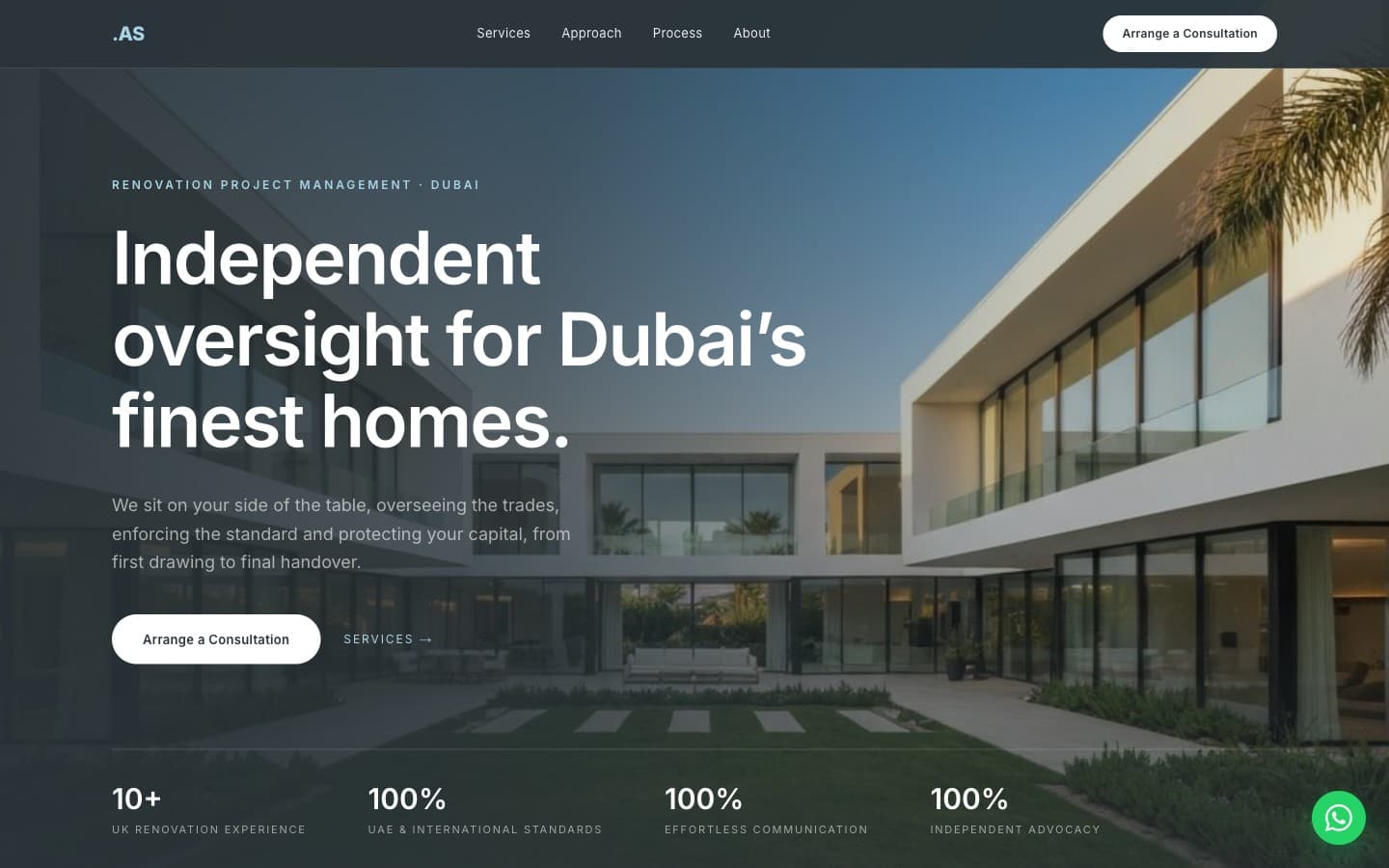
We map the core flow and put a working prototype in front of real users. What survives that test becomes the design we build.
Decisions we make
- Which flows to optimise for and which to defer
- Design system foundations (only what we'll actually use)
- How the product looks on day 1 vs. day 100
- Investor-ready screenshots for the deck
What you get out of it
- Interactive Figma prototype of the core journey
- Full high-fidelity design of every shipped screen
- Component library seeded from the design system
- Marketing site or landing page to drive early signups
What you bring
- Real feedback from 3-5 target users on the prototype
- Sign-off on the flow before engineering starts
- Brand direction if you have one (fine if you don't)
Week 5-8
Build
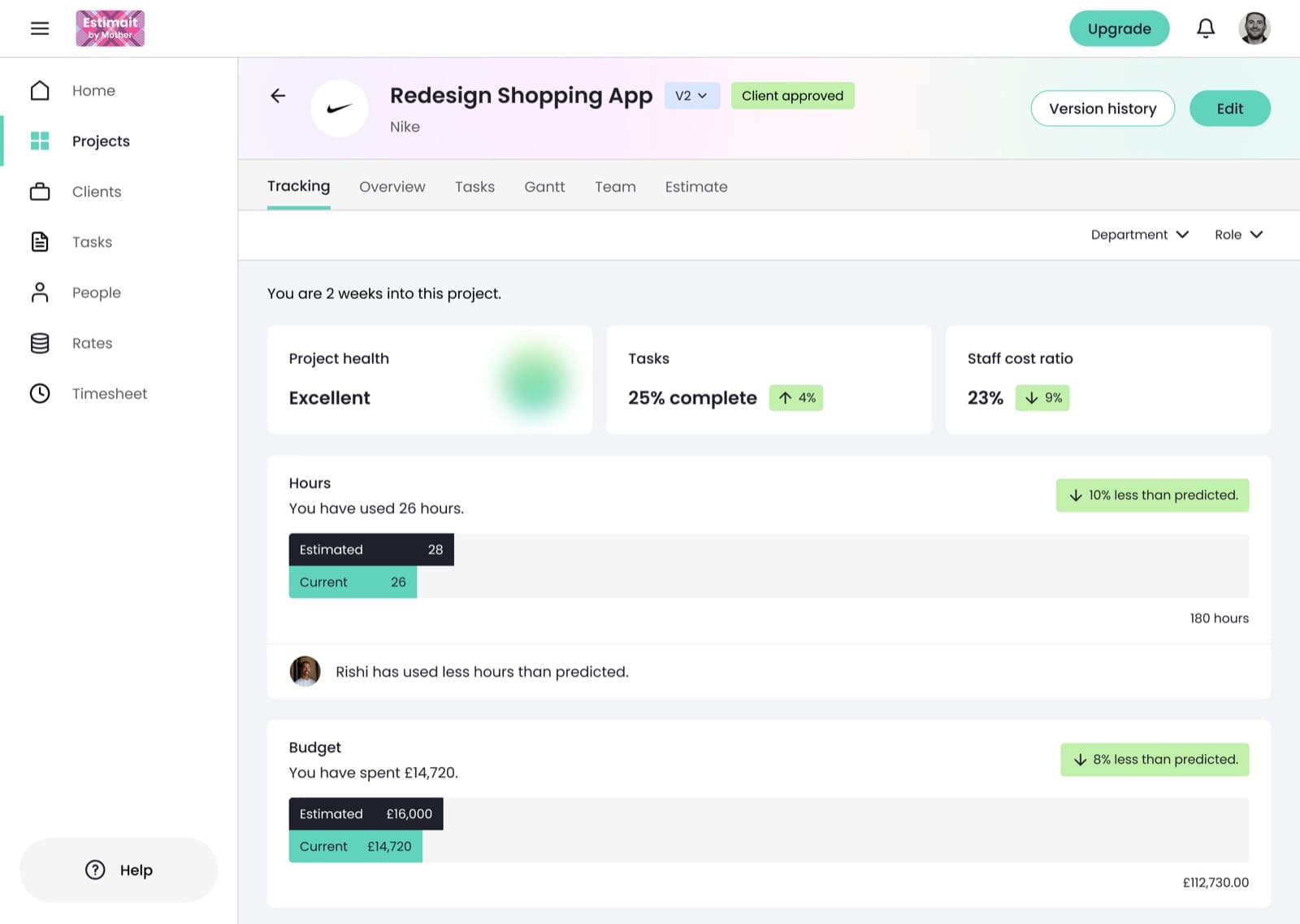
The longest phase, and the quietest when it goes well. We build in sprints on a stack chosen for the product you'll have at Series A, not the one you have today.
Decisions we make
- Which parts can be manual for launch vs. must be automated
- How we'll handle scale before you have the scale problem
- What to instrument for the metrics that matter
- How you'll take over the code if we ever stop working together
What you get out of it
- Production-ready application shipped in weekly increments
- Test coverage on every critical path
- Analytics and error monitoring wired from day one
- Documentation good enough for your next engineer to read
What you bring
- Weekly attendance on the review call — this is not optional
- Fast decisions when we hit ambiguity
- Access to any third-party services (Stripe, mail providers, APIs)
Week 9-10
Launch
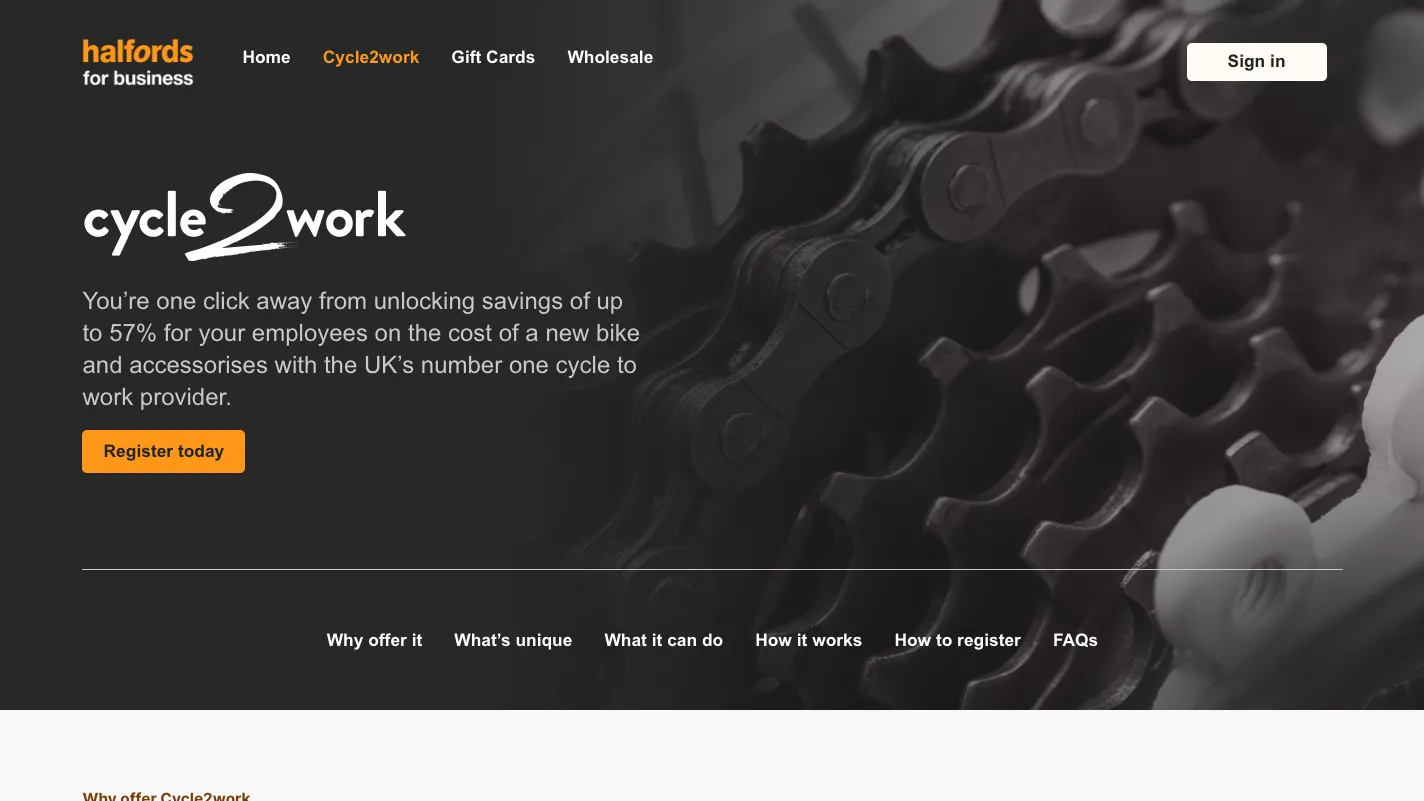
The product goes live and the numbers start. From here, real usage, not guesswork, shapes the next release and the story you take to investors.
Decisions we make
- Launch channel: waitlist drop, private beta, or public
- Pricing and billing (Stripe or otherwise) go live
- Success and failure metrics for the first month
- What triggers a pivot vs. a persistence decision
What you get out of it
- Production launch, with the first week monitored live
- Priority bug fixes for the first two weeks, at no extra cost
- Investor-ready pitch deck update with real product screenshots and metrics
- Handover pack or a monthly support plan, your choice
What you bring
- Real users to test the launch flow with
- Willingness to iterate on what the data says
- A clear next-phase ambition (raise, hire, expand, all three)
Got a project in mind?
Now you know how we work. Tell us how it applies to your build.
Include your budget, your timeline and a deck if you have one.